Left-Handed Scissors for Adults, Kids, Sewing and Kitchen Use
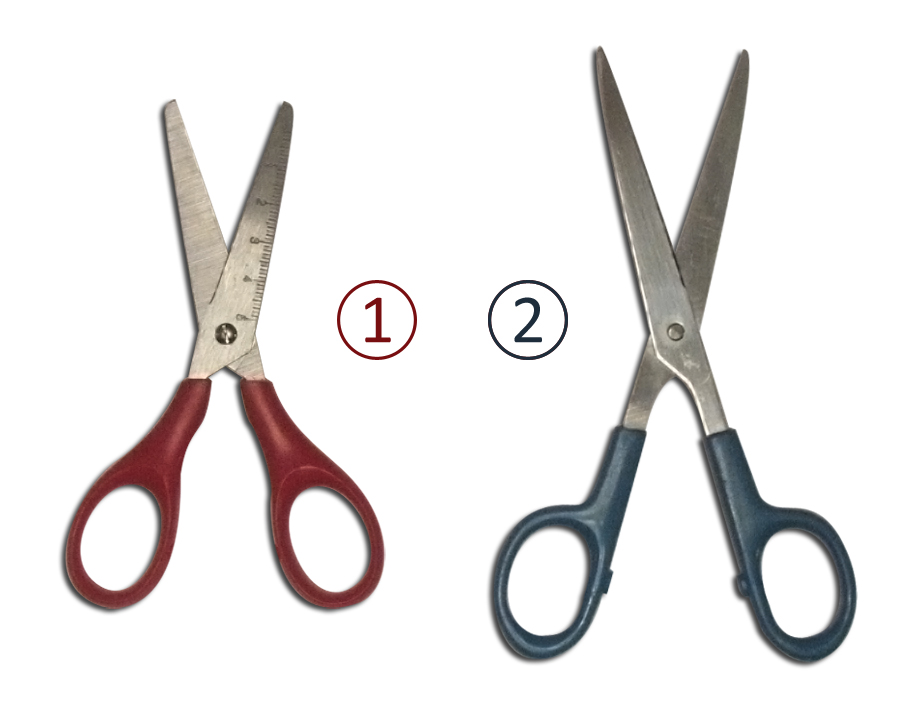
Good scissors are not automatically good left handed scissors. Many tools advertised as “lefty-friendly” merely have symmetrical handles while the blades remain arranged for right-handed cutting. That can hide a marked line or change how the blades press together when a left-handed user squeezes the handle. A genuinely mirrored pair approaches the same job differently. But blade orientation alone is not the whole buying decision: a five-inch student model, an eight-inch fabric shear and ten-inch tradesman shears suit entirely different materials and hand sizes.
Here we compare ten identifiable left-handed designs for paper, classroom crafts, sewing, scrapbooking and harder workshop tasks. The comparison goes beyond color and marketing labels, focusing on blade arrangement, handle scale, cutting material, specialty coatings and practical limitations. This is a researched buyer’s guide based on maker and retailer documentation, not a claim that we independently tested or measured these models. Where a blade characteristic or merchant variation is uncertain, confirm the exact model before buying.
As an Amazon Associate, Size Them Up earns from qualifying purchases.
Quick Picks for Different Needs
Left-Handed Scissors Comparison
How to read this table: These are distinct manufacturer-identified designs, not a single interchangeable “best” category. Blade orientation and size should be checked against the exact product variation. All ten entries now have exact ASIN-linked AffiliateX images and tagged Amazon buttons in this unpublished working draft. Live U.S. Amazon purchase availability and image display permissions still require independent final checks before publication; do not treat a working link or a retrieved image as purchase or rights proof.
| Exact model | Main use | Fit or limitation to check | Amazon |
|---|---|---|---|
 1. Fiskars 8-inch All-Purpose Left-Handed Scissors |
an everyday adult pair for paper, wrapping, and occasional light fabric | True-left blades; 8-inch bent-handle construction | |
 2. Lefty’s 8-inch True Left-Handed All-Purpose Scissors |
adults who want a comfortable true-left everyday grip | Mirrored blade order; larger lower loop | |
 3. Fiskars 6-inch Left-Handed Big Kids Scissors (Blue–Turquoise) |
older left-handed children developing control in school | Six-inch SoftGrip design; labeled ages 8–11 | |
 4. Fiskars 5-inch SoftGrip Kids Left-Handed Pointed-Tip Scissors (Blue) |
young left-handed learners supervised with a pointed-tip tool | Five-inch model; pointed tip; labeled ages 4–7 | |
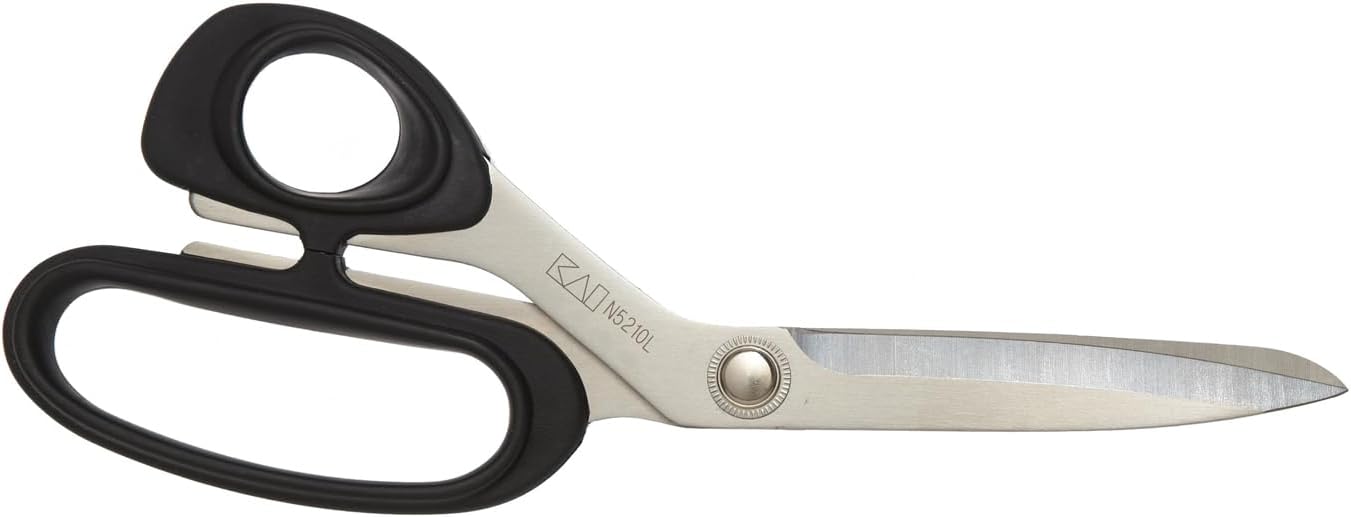 5. KAI N5210L True Left-Handed Dressmaking Shears |
sewing and garment pattern cutting with fully mirrored blades | True-left handle and blades; 8-inch dressmaking format | |
 6. SCAIKTIG 9-inch Left-Handed Titanium-Coated Sewing Shears |
larger fabric and craft cuts with a coated blade | Nine-inch fabric-shear listing; confirm true-left edge orientation | |
 7. Crescent Wiss CW10TL 10-inch Left-Hand Tradesman Shears |
workshop cardboard, leather and heavier nonmetal materials | Ten-inch offset tradesman format; check CW10TL suffix | |
 8. Lefty’s 8.75-inch Left-Handed Kitchen Shears |
left-handed cooks needing dedicated food-preparation shears | Take-apart kitchen design; cleanable blades | |
 9. MANUFORE Left-Handed Sewing Tool Kit (Pink) |
sewers buying a coordinated starter cutting toolkit | Listed 8.5-inch shears, 4.5-inch trimmers and rotary cutter | |
 10. Lefty’s 5.5-inch Blunt-Tip Left-Handed Kids Scissors (Blue) |
younger children needing blunt-tip left-handed classroom scissors | Blunt-tip style; listed for ages three through eight |
Buying Tip: Ask whether the actual cutting blades are reversed for left-handed cutting, not merely whether a left hand can fit in the handle. Then match the blade length and shape to the material before comparing prices.
Detailed Left-Handed Scissors Reviews
1. Fiskars 8-inch All-Purpose Left-Handed Scissors
Best for: an everyday adult pair for paper, packaging and occasional fabric.
For general household work, the Fiskars 8-inch All-Purpose Left-Handed Scissors give adults a conventional full-size tool without asking them to adapt to right-handed blade geometry. Fiskars describes its left-handed family as using reversed blades and handles made for the left hand. That combination matters most when cutting along a visible mark: the cutting edge should be on the side a left-handed user expects to see. The bent handle can also make flat cutting more practical when a sheet or piece of light fabric is resting on a table. This is a sensible first pair for envelopes, cardstock, gift wrap and occasional craft material. Do not interpret “all-purpose” as permission to cut wire or heavy hard plastic; those tasks can nick the edge. For people who cut bolts of fabric daily, a dedicated dressmaker pair is a more appropriate comparison. Before ordering, confirm the 8-inch left-handed listing rather than an identically colored standard right-handed package.
2. Lefty’s 8-inch True Left-Handed All-Purpose Scissors
Best for: Everyday cutting with a roomy left-handed grip.
Lefty’s eight-inch all-purpose scissors offer an alternative to a traditional bent-handle tool for a left-handed adult who wants a more forgiving finger loop. The brand-specific left-hand model is described with genuinely mirrored blades and an ergonomic grip rather than merely symmetrical handles. That distinction matters when tracing a line through gift wrap, cardstock or light fabric: a comfortable handle cannot compensate for incorrectly arranged cutting edges. Compared with the Fiskars eight-inch model in this guide, the Lefty’s pair emphasizes the larger lower loop and general hand comfort, while the Fiskars has the familiar bent-handle table-cutting shape. Neither should be treated as a substitute for industrial cutters or heavy-duty kitchen shears. Before ordering, check the seller’s exact left-handed variation and photo rather than confusing this model with generic ambidextrous scissors. A buyer accustomed to compensating for right-handed blades may need a few practice cuts to adjust to correctly reversed geometry.
3. Fiskars 6-inch Left-Handed Big Kids Scissors (Blue–Turquoise)
Best for: Left-handed students around ages eight through eleven.
Fiskars makes this six-inch Big Kids pair for the stage between small beginner scissors and full-sized adult paper cutters. The blue-to-turquoise version is specifically advertised for left-handed children ages eight to eleven, with a larger finger loop and SoftGrip contact points. That makes it more relevant for classroom projects involving longer lines, posters and cardstock than a tiny five-inch child pair, but a student should still be able to open and close the handles without stretching. The model is not interchangeable with Fiskars’ five-inch pointed-tip scissors for younger children; each has a distinct listed age range and grip scale. These are a paper-and-craft tool, not dressmaking shears or scissors for hard packaging. Confirm the exact blue-turquoise left-hand listing and supervise safe use according to the age and tip guidance on its packaging. For teenagers with adult-sized hands, comparing an eight-inch multipurpose pair may be more appropriate.
4. Fiskars 5-inch SoftGrip Kids Left-Handed Pointed-Tip Scissors (Blue)
Best for: young left-handed learners with adult supervision.
For a child learning how to follow a printed line, size and blade placement are more important than a fancy coating. This blue Fiskars 5-inch SoftGrip Kids Left-Handed model is sold for ages 4–7 with pointed tips, reversed safety-edge blades and a soft-grip handle for left-handed cutting. The short frame helps a small hand open and close the blades without the leverage needed for an adult set. It also makes the pair easier to manage for ordinary paper shapes and classroom crafts. Parents should check the specific age guidance, tip profile and supervision needs on the exact package rather than assuming every 5-inch Fiskars pair is left-handed. Because this specific blue SoftGrip model has pointed tips, it requires particularly careful storage, safe passing and adult supervision. This is not the pair for sewing several layers of denim or trimming tough plastic. A growing student may eventually be more comfortable with a 6–7-inch student model instead.
5. KAI N5210L True Left-Handed Dressmaking Shears
Best for: sewists who need true left-hand blade geometry.
KAI’s N5210L is an important example of why shoppers should inspect the exact model suffix. SINGER’s listing identifies it as true left-handed shears with both a left-handed grip and left-handed blades, a stronger claim than “comfortable for lefties.” That reversed edge geometry is useful when a sewist traces along a marked seam allowance and wants to see the line without rotating the wrist. It is a sensible fabric-focused choice for dressmaking, pattern cutting and home sewing where consistent long cuts matter. But it should be kept for textiles; using a good dressmaker edge on tape, cardboard or plastic can reduce its usefulness for delicate fabrics. Compare the 5210L description directly with similarly named KAI variants before purchase, since a different suffix may refer to a different handle/blade arrangement. For users who only snip a few threads, a short micro-tip model is handier than full-length shears. No hands-on cutting test is claimed in this guide.
6. SCAIKTIG 9-inch Left-Handed Titanium-Coated Sewing Shears
Best for: Longer fabric cutting when a coated blade is desired.
The SCAIKTIG nine-inch sewing scissors target buyers who want more cutting reach than a smaller multipurpose pair. The linked product variation is marketed for left-handed fabric cutting and describes forged stainless steel with a titanium coating. Those are seller claims, not independent sharpness or durability measurements. Because the same brand markets other scissors as ambidextrous, it is particularly important to verify that the exact nine-inch variation has the blade orientation required for true left-handed cutting, rather than relying on handle shape or the word “left” in a search result. Its longer format may be convenient for cutting straight sections of cloth or pattern material, but it is less nimble for detailed embroidery than a small thread snip. Compare this with the KAI N5210L if mirrored blades are the top priority: the KAI manufacturer explicitly describes both grip and blades as left-handed. Keep either fabric pair away from abrasive packaging or metal.
7. Crescent Wiss CW10TL 10-inch Left-Hand Tradesman Shears
Best for: workshop cutting of heavier nonmetal materials.
The Crescent Wiss CW10TL belongs in a different category from school and sewing scissors: it is a ten-inch left-handed tradesman shear intended for tougher job-site and workshop materials. Crescent’s model guidance distinguishes CW10TL, the left-hand version, from CW10T, the right-hand variant. Its offset construction lifts the hand away from a tabletop workpiece, while the published product family emphasizes coated blades and shaped grip contact points. Crescent describes applications such as cardboard, plastic, leather and heavier fabrics; those manufacturer-stated uses should not be expanded into unsupported promises about sheet metal or wire. For craft workers opening boxes or trimming stiff material regularly, the longer body may be an appropriate tradeoff. It is overkill for scrapbooking curves or cutting children’s school papers, where the size could reduce control. Check the exact TL suffix at checkout and verify safe handling and any material limits before using it on a new substrate.
8. Lefty’s 8.75-inch Left-Handed Kitchen Shears
Best for: Food preparation in a left-handed kitchen.
Kitchen scissors should be evaluated separately from office and fabric shears because contact with food changes the cleaning requirements. Lefty’s eight-and-three-quarter-inch kitchen scissors are specifically described for left-handed users, and the product family uses blades that can be separated for cleaning. That feature can make it easier to remove residue around the pivot, an area regular scissors often conceal. According to product descriptions, the left-handed blade arrangement and grip are intended to accommodate a natural left-hand cutting action. The maker describes uses such as herbs and everyday food preparation; do not interpret that as proof of safe performance on every bone or unusually hard ingredient. If you handle raw poultry, follow appropriate washing and sanitation procedures and check the exact variation’s cleaning instructions. The separate kitchen-specific format is a better match for cooks than a pair also used on cardboard, tape or school projects. Verify the seller, model and new condition before purchasing.
9. MANUFORE Left-Handed Sewing Tool Kit (Pink)
Best for: A left-handed sewing setup that needs scissors and trimming accessories.
MANUFORE’s pink cutting kit is not just another pair of scissors; its listing describes an eight-and-a-half-inch left-handed fabric shear, a smaller four-and-a-half-inch thread trimmer, and a rotary cutter with three replacement blades. That mix is potentially practical for home sewists who need long straight fabric cuts, thread finishing and template work but do not already own each tool. Compare the combined kit with a dedicated KAI pair before ordering: a kit may offer more functions, while a specialist brand may provide clearer documentation about exact blade geometry. Do not assume every tool in the package is equally suited to both hands; check the rotary cutter’s safe grip and blade mounting separately from the shears. The listing identifies the pink variation, so avoid substituting a different accessory bundle. A proper cutting mat, guarded storage for the rotary blade, and adult handling are necessary for safe use. The kit’s component list is a seller description, not proof of hands-on testing.
10. Lefty’s 5.5-inch Blunt-Tip Left-Handed Kids Scissors (Blue)
Best for: Early learners who need a blunt-tip left-handed option.
This Lefty’s blue kids pair serves a different school use from the Fiskars five-inch pointed-tip model. It is advertised with a blunt tip, soft-grip handles and left-handed blade orientation for children approximately ages three through eight. For early paper projects, the difference in tip style is often more important than a fraction of an inch in overall length. A blunt tip reduces some puncture risks, but it does not make scissors harmless; young users still require close supervision and instruction on carrying, passing and storing sharp tools. The brand’s left-handed orientation is intended to help the child see the cutting line without bending the wrist around the blades. Before purchase, check the actual packaging, hand size and teacher’s classroom scissors requirements. For an older pupil doing more demanding craft assignments, the six-inch Fiskars Big Kids model may offer more reach; for an adult, a full-size pair will usually be easier to handle. Keep this small pair for paper rather than fabric or rigid packaging.
How to Choose Left-Handed Scissors
True left-handed scissors versus left-friendly handles
A genuine left-handed tool typically reverses the blade order, not merely the finger loops. That affects visibility and how the cut responds when the left hand closes the blades. If you search for true left handed scissors, study the exact product variant. KAI N5210L and the dedicated Fiskars left-handed models provide useful reference points, while other listing titles can be ambiguous. Symmetrical handles are not sufficient evidence of reversed blades.
Left-handed scissors for adults and everyday use
Most people buying left handed scissors for adults should start with an eight-inch general-purpose model. Compare Fiskars’ familiar bent handle with Lefty’s roomier lower loop, then ask whether the cutting edge is truly mirrored. The Westcott option in this guide is much bigger and should be reserved for sturdier material. Avoid assuming a longer blade is automatically better for curves or precision detail.
Left-handed fabric scissors for sewing and quilting
When shopping for left handed fabric scissors, separate panel cutting from thread trimming. KAI N5210L is a manufacturer-documented true-left dressmaking option. SCAIKTIG’s nine-inch coated shears promise a longer cutting stroke, but verify blade handedness on the actual selection rather than inferring it from its marketing title. The MANUFORE sewing kit includes smaller thread trimmers and a rotary cutter alongside the main shears; it may suit a home sewing setup but requires a cutting mat and safe tool storage. People comparing left handed sewing scissors should confirm whether a single specialist shear or a starter package meets their real needs.
Kids’ scissors: handle scale, age and tip design
All three children’s options serve different groups. The Fiskars five-inch SoftGrip blue version is a pointed-tip model marketed for ages four through seven. The six-inch blue-turquoise Fiskars Big Kids model is aimed at ages eight to eleven, with more reach and a larger loop. Lefty’s blunt-tip blue pair is aimed at smaller children and supervised classroom paper cutting. Tip shape is not a guarantee of safety: follow teacher requirements, packaging guidance and adult supervision.
Left-handed kitchen scissors: cleanability first
A search for left handed kitchen scissors should focus on a food-preparation model such as Lefty’s kitchen shears rather than an office or craft pair. Verify how the exact scissors come apart, which cleaning methods the maker approves and whether pivot residue can be removed. Keep food and stationery cutting separate and follow food-handling safety guidance when preparing poultry or other raw meat.
Five setup, safety and maintenance mistakes
First: buying a left-friendly handle while assuming the blades are reversed. Check the exact variant and blade overlap. Second: using dedicated fabric shears on cardboard or tape, which can interfere with clean fabric cutting. Third: choosing child’s scissors based on color instead of grip fit, age and point design. Fourth: cutting hard material with a tool designed only for paper; confirm the maker’s permitted materials. Fifth: leaving shears or an exposed rotary blade loose in a drawer. Protect sharp edges, clean and store each tool as instructed, and keep children supervised.
How we selected the models
We compared published brand/model specifications, retail product identifiers and practical use differences, not hands-on measurements or testing. We prioritized left-hand blade orientation, grip suitability, actual cutting material, blade length, kit contents and cleaning needs. Manufacturer specifications are manufacturer claims; where a seller’s description does not establish true mirrored blades, verify the exact model before purchasing. An affiliate image or link is not independent proof of quality or current stock. For related classroom tools, see our electric pencil sharpener guide.
Quick Selection Guide
Frequently Asked Questions
Are left-handed scissors actually different?
Often, yes. A true left-handed model reverses blade orientation as well as the grip, while a symmetrical handle alone can still have right-handed blades. Confirm the manufacturer and exact variant rather than assuming any “ambidextrous” listing works identically.
Should I buy left-handed scissors for an adult who has always used regular scissors?
A true-left model is worth considering if the current pair obscures the cutting line or twists the material. Expect an adjustment period: a person accustomed to compensating for right-handed blades may initially need to relearn a natural pressure direction.
Which left-handed scissors are better for sewing?
A long dressmaker shear for cutting panels and a small micro-tip for threads address different tasks. Check verified left-blade geometry, fabric suitability, grip comfort and whether the seller has selected the exact left-hand model.
Are child scissors safe for adults to use?
They can cut lightweight paper, but the loop size and short blade length may be uncomfortable or inefficient for adult hands. Small scissors are not substitutes for heavy-duty shears. Follow the maker’s supervision and age guidance for children.
Do titanium-coated scissors stay sharp forever?
No. A coating is not a guarantee against dulling, damage or adhesive buildup. Material choice, proper cleaning, protected storage and manufacturer care instructions still matter, regardless of coating.
Final Verdict
For everyday adult cutting, the Fiskars 8-inch left-handed model and Lefty’s 8-inch all-purpose pair are logical starting points, with different handle approaches. KAI N5210L is the stronger documented example of true left-handed dressmaking blade geometry; the nine-inch SCAIKTIG pair and MANUFORE toolkit offer distinct fabric and starter-kit alternatives that need exact-variant scrutiny. Parents can compare the Fiskars 5-inch, Fiskars Big Kids 6-inch and Lefty’s blunt-tip model by age, tip design and hand fit. Lefty’s kitchen shears address food preparation, while Crescent Wiss CW10TL is the heavy workshop choice.
A good purchase is the model that matches the cut, the grip and the actual blade orientation—not whichever listing uses the most “left-handed” keywords. This saved draft is not yet publication-ready: live Amazon.com new-offer verification, permitted image display, and true desktop/mobile rendering checks remain open.
Featured image: Walké, retouched by Karta24, CC BY-SA 3.0, used without modification. The image illustrates blade orientation and does not depict any of the ten reviewed products.