Best Digital Coin Microscopes for Error Coins, Silver Dollars and Detailed Inspection
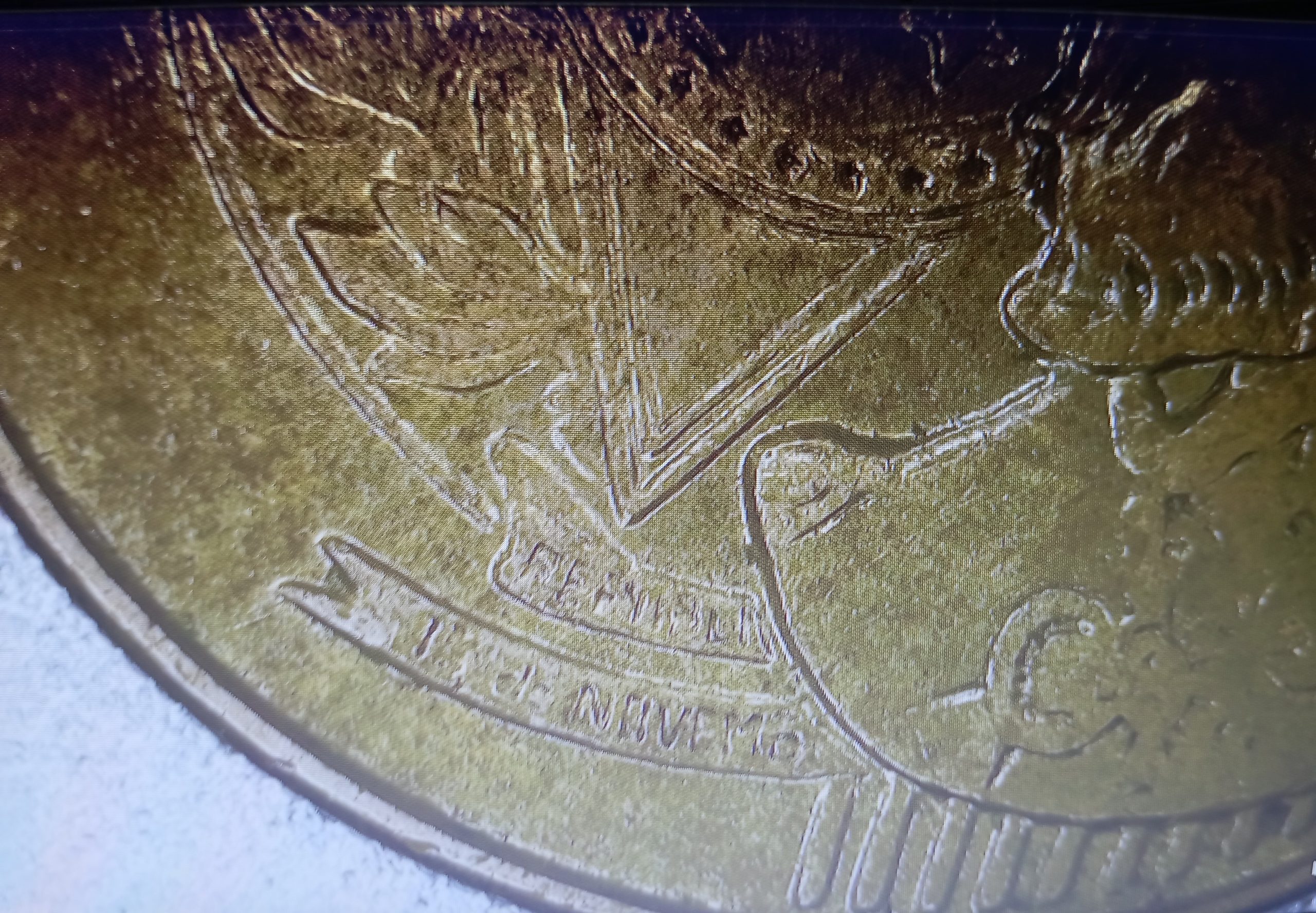
A Morgan dollar can look beautifully sharp under a microscope and still be impossible to fit into one frame. That is not a contradiction: magnification tells you how large a small detail can appear, while the field of view tells you how much of the actual coin is visible. For a collector checking mint marks, suspected doubling or fine scratches, both matter—but in different ways. A digital microscope for coin collecting also needs usable lighting, stable focus, enough space below the lens and a practical way to save images. This guide compares ten identifiable digital microscopes, mostly higher-end models rather than inexpensive pocket lenses, and teaches you how to choose a setup for circulation finds, silver dollars, slabbed coins and detailed hobby work. You will learn what the advertised specifications do and do not mean, how to inspect a coin without damaging it, and when a conventional 5×–10× loupe is still a useful second tool.
Quick Picks by Collector Need
- TOMLOV DM9 Max 10.1-Inch Coin Microscope — Collectors who mainly inspect cents, quarters and half dollars.
- TOMLOV TriL110 Three-Lens Digital Microscope — Collectors who also inspect slides and small electronics.
- Andonstar AD210 10.1-Inch Coin Microscope — Collectors who prefer viewing directly on a large built-in display.
- Andonstar AD246S-M Three-Lens Boom Microscope — Collectors who need extra room for slabs or a shared repair bench.
- TOMLOV TM4K-AF Max Autofocus Digital Microscope — Frequent inspectors who value quick refocusing.
How We Selected These Microscopes
We compared specified display size, actual model identity, working distance, lens configurations, illumination controls, whole-coin coverage where published, image output and practical mounting. The selected Amazon ASINs and exact-model images came from product research and an authorized product-image lookup. These are specification-based recommendations, not claims of hands-on tests, personally measured optical quality, current stock, or guaranteed prices. Manufacturer magnification ratings are not independently verified optical resolution.
Digital Coin Microscope Comparison
| Model | Screen | Distinguishing feature / Best for | Amazon |
|---|---|---|---|
 1. TOMLOV DM9 Max 10.1-Inch Coin Microscope |
10.1″ IPS | Single lens; tall stand. Collectors who mainly inspect cents, quarters and half dollars. | Check the latest price on Amazon |
 2. TOMLOV TriL110 Three-Lens Digital Microscope |
10.1″ IPS | Rotating three-lens system. Collectors who also inspect slides and small electronics. | Check the latest price on Amazon |
 3. TOMLOV TriL107 Three-Lens Digital Microscope |
7″ IPS | Three lenses; compact display. Mixed-hobby buyers who want three lenses without a 10-inch screen. | Check the latest price on Amazon |
 4. TOMLOV DM602 Pro Three-Lens Boom-Arm Microscope |
10.1″ | Boom arm; three lenses. Collectors who share a bench with detailed repair projects. | Check the latest price on Amazon |
 5. Andonstar AD210 10.1-Inch Coin Microscope |
10.1″ IPS | Single-screen coin and slide station. Collectors who prefer viewing directly on a large built-in display. | Check the latest price on Amazon |
 6. Andonstar AD246S-M Three-Lens Boom Microscope |
7″ | Three lenses; boom arm. Collectors who need extra room for slabs or a shared repair bench. | Check the latest price on Amazon |
 7. Andonstar AD246S-P Three-Lens Digital Microscope |
7″ | Three lenses; upright stage stand. Households that want coin viewing plus prepared-slide exploration. | Check the latest price on Amazon |
 8. TOMLOV TM4K-AF Max Autofocus Digital Microscope |
10.1″ | 4K class; autofocus; flex arm. Frequent inspectors who value quick refocusing. | Check the latest price on Amazon |
 9. TOMLOV TM3K-3D Max Magnetic Dual-Lens Microscope |
10.1″ IPS | Dual-lens angled viewing; magnetic design. Mixed-hobby collectors exploring relief from different angles. | Check the latest price on Amazon |
 10. TOMLOV TM4K Max Manual-Focus Digital Microscope |
10.1″ | 4K class; manual focus; spin arm. Patient detail-focused collectors who prefer manual control. | Check the latest price on Amazon |
Screen sizes and configurations describe the selected product listings or manufacturer materials; optional accessories and offers may vary. A marketplace listing is not an independent optical-performance test.
Buying Tip: If you collect Morgan or Peace silver dollars, look for a manufacturer-confirmed full-coin view of at least 38.1 mm at a usable working distance. A “2000×” label will not tell you whether the entire coin can fit in one picture.
Ten Digital Coin Microscopes Reviewed
1. TOMLOV DM9 Max 10.1-Inch Coin Microscope
Best for: Collectors who mainly inspect cents, quarters and half dollars.
The manufacturer describes a 10.1-inch IPS display, 12.6-inch adjustable stand, remote, LED illumination and photo recording. Its published comparison places full-coin coverage around 30.61 mm, not the larger 38.1 mm Morgan dollar.
The DM9 Max is a sensible first stop for a collector who wants to study dates, mint marks and die features on a generous built-in display. The tall stand makes it easier to reposition a coin or work with a holder while keeping the image focused. However, the full-coin-view specification deserves attention: its stated coverage is better suited to common circulating denominations and half dollars than to framing an entire large silver dollar. You can still inspect a Morgan dollar section by section, which may be enough if the goal is to examine letters, rim details or small errors. Consider this a comfortable all-round inspection station rather than a specialized whole-silver-dollar camera. Compare the included remote and computer/HDMI connections with the way you actually share images. Under a high magnification setting, reduce LED brightness first if a polished area turns white.
2. TOMLOV TriL110 Three-Lens Digital Microscope
Best for: Collectors who also inspect slides and small electronics.
TOMLOV’s coin-inspection comparison lists a rotating three-lens system, HDMI/PC output and a full-coin diameter up to approximately 38.2 mm for the TriL110.
The TriL110 earns its place because it solves two problems that a fixed-lens coin scope cannot solve as easily: framing a large coin and changing the viewing range for a different hobby. Its rotating lens assembly can switch between a whole-coin-friendly configuration and close-up viewing for other small objects. This is useful when you collect Morgan or Peace dollars, which are about 38.1 mm wide, and also want to inspect jewelry details or small circuit-board components. The large screen is easier to share with someone next to the workbench, while HDMI provides a larger external presentation option. The tradeoff is complexity: remember which lens is selected, refocus after changing positions, and keep the base free of loose coins. It is more microscope than a basic date-and-mint-mark viewer requires.
3. TOMLOV TriL107 Three-Lens Digital Microscope
Best for: Mixed-hobby buyers who want three lenses without a 10-inch screen.
The TriL107 is the seven-inch member of TOMLOV’s multi-lens line. Listings describe three lenses, 2K video capability, adjustable LED lighting and HDMI/PC compatibility.
Not everyone has room for a large display or a wide boom stand. The TriL107 pairs several lens choices with a smaller seven-inch viewer, making it a more practical bench companion for someone who alternates between coins, solder joints and occasional specimens. The value of its multi-lens arrangement is not the advertised maximum zoom figure; it is choosing a viewing configuration that gives useful context before moving close to the mint mark or suspected die feature. For coin collectors, test whether the chosen lens can show the entire denomination you regularly examine, particularly if large silver dollars are part of your collection. The smaller screen makes fine lettering less comfortable to inspect for long sessions, although HDMI output can help with shared viewing. Double-check the included stand, cables and card on the exact listing.
4. TOMLOV DM602 Pro Three-Lens Boom-Arm Microscope
Best for: Collectors who share a bench with detailed repair projects.
The DM602 Pro configuration includes a 10.1-inch display, three interchangeable lenses and a boom-arm support. The manufacturer describes HDMI/USB viewing and a coin-oriented lens.
A fixed vertical post can get in the way when you are working with a coin album, a slab or a larger work mat. The DM602 Pro takes a workshop approach: its boom arm can position the head over a chosen spot rather than requiring everything to fit immediately beside a small base. That makes it an option for someone who photographs coins and also performs electronics repairs, not necessarily the best value for someone who only studies a few wheat pennies at a desk. The three lenses broaden the usable range, but every change adds a chance to bump the focus or alter the framing. Keep the arm securely tightened and the work area clear so a camera head never swings into a collectible. If you care mainly about viewing entire coins, verify the available field of view with the coin lens, not the largest advertised magnification.
5. Andonstar AD210 10.1-Inch Coin Microscope
Best for: Collectors who prefer viewing directly on a large built-in display.
Andonstar markets the AD210 with a 10.1-inch screen, elevated metal stand and biological-slide stage; its stated coin-view capability includes large dollar-sized coins. Manufacturer notes indicate that computer viewing is not a supported feature on this model.
The AD210 is worth comparing when you want a self-contained microscope that simply shows the coin in front of you. It has a larger built-in display than most entry-level coin microscopes, and its stand is designed to leave room below the lens. That matters when framing a silver dollar or making repeated comparisons between different coins. It is also an educational choice for families who may use the included stage to observe slides, although opaque coins are lit from above rather than the transparent-specimen light path. Before choosing it, be clear about your sharing workflow: if you regularly want a live microscope image in a computer application, the manufacturer’s connection limitations may rule it out. For coins, use adjustable lighting to expose detail without creating hotspots on mirror-like surfaces. Confirm the exact Amazon offer because stand, stage and memory-card bundles can vary.
6. Andonstar AD246S-M Three-Lens Boom Microscope
Best for: Collectors who need extra room for slabs or a shared repair bench.
This exact AD246S-M variant pairs a seven-inch screen, three lenses and a professional-style boom arm; product records describe 2160p recording and coin or electronics inspection.
The letter after AD246S matters. The M configuration is the boom-arm version, which is useful when a coin or holder will not sit comfortably under a short center post. It is an appealing choice for buyers who inspect coins in slabs, work around trays, or occasionally transition to small electronics. Its three-lens kit helps move between field of view and detail work, although the 2160p recording claim alone does not establish how much true detail the optics resolve. Set up the arm on a stable desk and confirm every joint is tight before handling valuable pieces. An angled, directional light can reveal relief and scratches differently from the microscope’s front-facing LEDs. When comparing the M with the P version in this guide, decide whether you value arm freedom more than a fixed-stage arrangement for small specimens.
7. Andonstar AD246S-P Three-Lens Digital Microscope
Best for: Households that want coin viewing plus prepared-slide exploration.
The AD246S-P listing specifies a seven-inch HDMI-capable screen system, three lenses, a more upright stand and an included biological slide kit; it is a different package from the AD246S-M.
The AD246S-P emphasizes versatility in a different way than the boom-arm M model. Its more structured stand and supplied slide-oriented accessories suit a shared hobby table where someone might study a proof coin and then move to a prepared biological specimen. For coins, make sure you select the suitable reflected-light lens and use the upper illumination rather than relying on the stage’s transmitted light. The three-lens arrangement is helpful only when you can keep track of the correct working distances and focus changes for each configuration. The seven-inch display is enough for casual teaching, but people doing lengthy detailed error-coin documentation may prefer a larger external monitor. This is a practical model to compare when the same microscope will be used by adults and older children with supervision, not solely by one specialist collector.
8. TOMLOV TM4K-AF Max Autofocus Digital Microscope
Best for: Frequent inspectors who value quick refocusing.
This Max autofocus variant is described with a ten-inch-class display, 4K video capability, flexible positioning and an autofocus system; manufacturer positioning covers coin and electronics work.
If you inspect many objects in a session, refocusing can be more tiring than the headline zoom figure suggests. The TM4K-AF Max is a premium choice for someone who shifts between coin denominations, coin holders and small technical parts and wants the camera to help regain focus. Autofocus cannot solve a physically obstructed working distance or poorly controlled reflections, however. For reflective proof coins, dim the light, move the illumination off-axis and only then judge whether the autofocus is locking onto the surface detail you want. Because this is an expensive, repair-oriented microscope, its flexible arm and 4K capture features make sense only when the workbench tasks justify the investment. A collector who handles one coin at a time may get equally useful observations from a simpler manual-focus model and a well-controlled light source.
9. TOMLOV TM3K-3D Max Magnetic Dual-Lens Microscope
Best for: Mixed-hobby collectors exploring relief from different angles.
The TM3K-3D Max product records describe a 10.1-inch display, dual magnetic lens arrangement, flexible arm and HDMI/USB output. Check the exact included lens and stand bundle.
A coin’s raised lettering and edge details can look very different when viewed from a slightly different angle. The TM3K-3D Max is unusual because its dual-lens arrangement is designed to make angled inspection easier than with one straight-down fixed lens. That makes it interesting for a collector who also examines watch parts, circuit boards or small three-dimensional objects. The name should not be treated as proof that its image is equivalent to a true stereo optical microscope; evaluate the display and viewing modes on their own merits. The more elaborate setup needs careful mounting and consistent lighting when photographing details for comparison. It may be excessive for sorting common-date coins, but its viewing flexibility offers a genuinely different reason to buy it than simple screen size. Confirm the Max package, not an older TM3K variant, before purchasing.
10. TOMLOV TM4K Max Manual-Focus Digital Microscope
Best for: Patient detail-focused collectors who prefer manual control.
The TM4K Max is the manual-focus member of TOMLOV’s large-screen 4K-class inspection family, with a 10.1-inch monitor and adjustable arm design.
Manual focus remains valuable when the subject has bright highlights, tiny scratches and uneven relief. The TM4K Max is a higher-end approach for collectors who deliberately focus on a chosen letter, die crack or field texture and do not want the camera to change focus automatically while recording. Its large monitor and spin-arm arrangement make it most at home on a dedicated bench. It is not automatically superior to the autofocus model; the tradeoff is control versus speed. If you frequently compare different coins, mark a consistent stand position and illumination angle so your saved photos are more comparable from session to session. Examine whether the larger display, higher recording specification and arm justify the cost compared with the simpler DM9 Max. Also remember that magnification claims never replace a careful check of actual coin coverage and clean optical detail.
How to Choose a Digital Coin Microscope
Field of view matters more than a huge magnification label
Choosing a coin microscope for error coins involves field of view and lighting—not just maximum magnification. A modern U.S. dime measures 17.91 mm, a quarter 24.26 mm, a Kennedy half dollar 30.61 mm and a Morgan silver dollar about 38.1 mm across. To photograph an entire coin, the lens and stand must give you a field of view at least as wide as the denomination. TOMLOV’s published coin-microscope comparison explicitly separates models that can capture a half dollar from multi-lens models that can show Morgan/Peace dollars. An honest microscope for silver dollar coins needs that coverage; zoom claims alone are not enough. If you mostly inspect a small letter or date, however, a narrower view can be fine.
Magnification, sensor resolution and optical detail are different specifications
Consumer digital scopes often market 1000×, 1500× or 2500× magnification. Those figures can include enlarged display pixels or digital zoom and do not guarantee additional resolved detail. A 4K video label means more recorded pixels under the device’s stated mode, but the lens, focus and lighting still control what useful information reaches the sensor. If you compare a doubled-die suspicion, start with low enough enlargement to identify the whole letter before zooming in.
Lighting reveals relief—and can hide it
A coin microscope with adjustable lighting helps on shiny proof surfaces, uneven patina and tiny raised marks. Light striking from above can wash out a reflective field, while light coming from the side can reveal relief and cast useful shadows. Adjustable LEDs or gooseneck lights offer control; a ring light is even, but sometimes too flat for hairlines. Change the light angle in small steps and never interpret a single glare-filled frame as definitive evidence of a minting error.
Choose the screen and connection your workflow needs
A seven-inch display fits a smaller bench; a 10.1-inch display is easier to share or observe for longer stretches. A coin microscope with HDMI output can send live imagery to a compatible TV or monitor, but USB computer viewing is a separate capability. A product may offer one without the other. Confirm the exact listing’s supported connection, cables and operating system, especially if your goal is to document coins for an online collector discussion.
Stand clearance, arm design and coin holders
A tall vertical stand helps position the lens far enough away for whole-coin images. A boom arm creates room for trays, capsules and slabs, but also needs a sturdy base and secure joints. A compact upright stand is simpler to maintain and less likely to swing unexpectedly. Measure your desk depth, not just the microscope’s advertised footprint, and leave room for the light arms and monitor to move.
- Mainly cents, nickels and quarters: prioritize easy focusing and controllable lighting.
- Whole Morgan/Peace dollars: look for documented coverage of at least 38.1 mm with the selected lens.
- Slabbed coins or a busy workbench: prioritize working distance, stable mounting and safe arm movement.
- Documentation and sharing: verify photo storage, output resolution and the exact HDMI/USB modes.
- Coins plus other hobbies: a three-lens kit can make more sense than a fixed-purpose scope.
How to Examine Coins Safely with a Digital Microscope
- Prepare the surface. Place a clean, stable, nonabrasive mat under the scope. Keep food, cleaning fluids and loose metal tools away from coins.
- Handle by the edge. Whenever possible, leave a valuable or certified coin inside its approved holder. Do not open slabs to fit a stand.
- Start wide and low. Use the working distance and focus controls to locate the full design or intended area. Record a normal view before taking close-ups.
- Control reflections. Begin with modest LED brightness. Move the side lights to reveal raised details; change one variable at a time.
- Photograph consistently. Save an overview and a closer view of the same area, noting denomination, date, orientation, lighting and any lens change. A stable stand or remote shutter may reduce shake.
- Compare with trusted references. A mint mark, die crack or apparent doubling needs context: consult recognized numismatic attribution references before calling it an error.
Common Problems and Practical Fixes
The microscope cannot show the whole silver dollar
Move the lens to a wider working distance if the manufacturer permits; switch to a lower-magnification or coin-view lens when provided. If its published field of view is still too narrow, photograph overlapping sections or choose a scope designed for full large-coin coverage. Software zoom cannot increase the physical field of view.
Bright spots make lettering disappear
Dim LEDs, switch off direct ring illumination when possible, change gooseneck-light angle and gently reposition the holder. Try a slightly different incident-light direction before assuming a coin has a blank or damaged detail. Avoid rubbing or cleaning the coin to change how it looks.
The image seems bigger but not clearer
Turn down digital zoom and adjust manual focus with small increments. Confirm that the selected lens and working distance are correct. Enlarging a blurry image or using a higher screen resolution cannot recreate unresolved surface texture.
Photos are inconsistent or difficult to compare
Use the same lens, approximate working distance, light brightness and orientation for both images. Label captured files with the coin type and inspected area. If the built-in shutter moves the device, try a remote or software capture control on compatible models.
Protect your coins and the microscope
Do not polish, wipe, dip or otherwise clean collectible coins to improve magnified images. Those interventions can change surfaces and damage value. Store lenses under protective covers, wipe the monitor with manufacturer-approved materials, and keep liquids away from ports and electronic components. If a coin shows active contamination or possible PVC damage, consult a qualified conservator instead of experimenting with solvents.
Frequently Asked Questions
Can a digital microscope authenticate a rare coin?
No. It can help reveal surface details, suspected tooling and features worth documenting, but a photograph cannot establish provenance, authenticity or a reliable grade. A high-value uncertain coin needs a qualified numismatist or professional grading service.
What is the best magnification to check mint marks and error coins?
Start at a moderate, usable level that preserves surrounding letters and design context, then increase only enough to see the specific feature clearly. A coin microscope for error coins is useful for documenting clues; the manufacturer’s highest advertised zoom number is not a quality score.
Do I need a microscope that connects to a computer?
Not necessarily. A self-contained screen is convenient for quick inspection. Computer or HDMI output matters when you want to share a live view, record a presentation or manage images on another device; verify compatibility for the actual model.
Will a bigger screen show more true detail?
It can make existing detail easier to see, but it does not fix a blurry optical image. Focus accuracy, working distance, sensor quality, lens performance and illumination still determine usable detail.
Can I examine slabbed coins?
Usually you can study much of the obverse and reverse through the holder, provided the stand clears it and reflections are controlled. Plastic holders introduce glare and extra surface reflections, so inspect from several angles and do not remove certification holders casually.
Is 4K automatically better than 1080p for coin collecting?
No. Higher recording resolution can preserve more pixels when the optics and focus supply useful detail, but a well-lit focused 1080p view may be more informative than a poor 4K image. Compare actual sample pictures and the recording mode.
Can a microscope tell if a coin has a doubled die?
It can reveal details for comparing with published die diagnostics. Machine doubling, reflections and wear may look similar at first. Cross-check shape, location and known varieties rather than assigning a valuable attribution from a single image.
Related SizeThemUp Buying Guides
If you enjoy examining the small details of a hobby or preserving what you discover, explore our beginner telescope buying guide for a different type of optical equipment, our photo printer and scanner guide for cataloging images, or our handheld ham radio guide for another equipment-focused hobby.
Final Verdict
For straightforward, comfortable coin inspection, start with the TOMLOV DM9 Max 10.1-Inch Coin Microscope; for an entire large silver dollar, the TOMLOV TriL110 Three-Lens Digital Microscope has the stronger documented coverage. If the microscope must share space with electronics work, the Andonstar AD246S-M Three-Lens Boom Microscope offers a useful boom-arm design. Buyers who want quick refocusing and can justify a larger budget should compare the TOMLOV TM4K-AF Max Autofocus Digital Microscope. For anyone comparing a digital microscope for coin collecting, the most important question is not which box advertises the largest zoom number, but which microscope shows the coins you own, under lighting you can control, with room to work safely.
Sources and Research Notes
Manufacturer/model evidence: TOMLOV coin-microscope comparison and products; TOMLOV microscope field-of-view and working-distance explanations; Andonstar product and support information. Exact model/ASIN selections were matched to product-image records; our conclusions are based on documentation and comparisons, not hands-on equipment tests. Retail pricing, sellers, availability, included accessories and software features can change.
As an Amazon Associate, SizeThemUp earns from qualifying purchases.
Featured photograph: Phnox / Wikimedia Commons, CC0 1.0.