Electric Kettles for Tea, Pour-Over Coffee and Everyday Hot Water
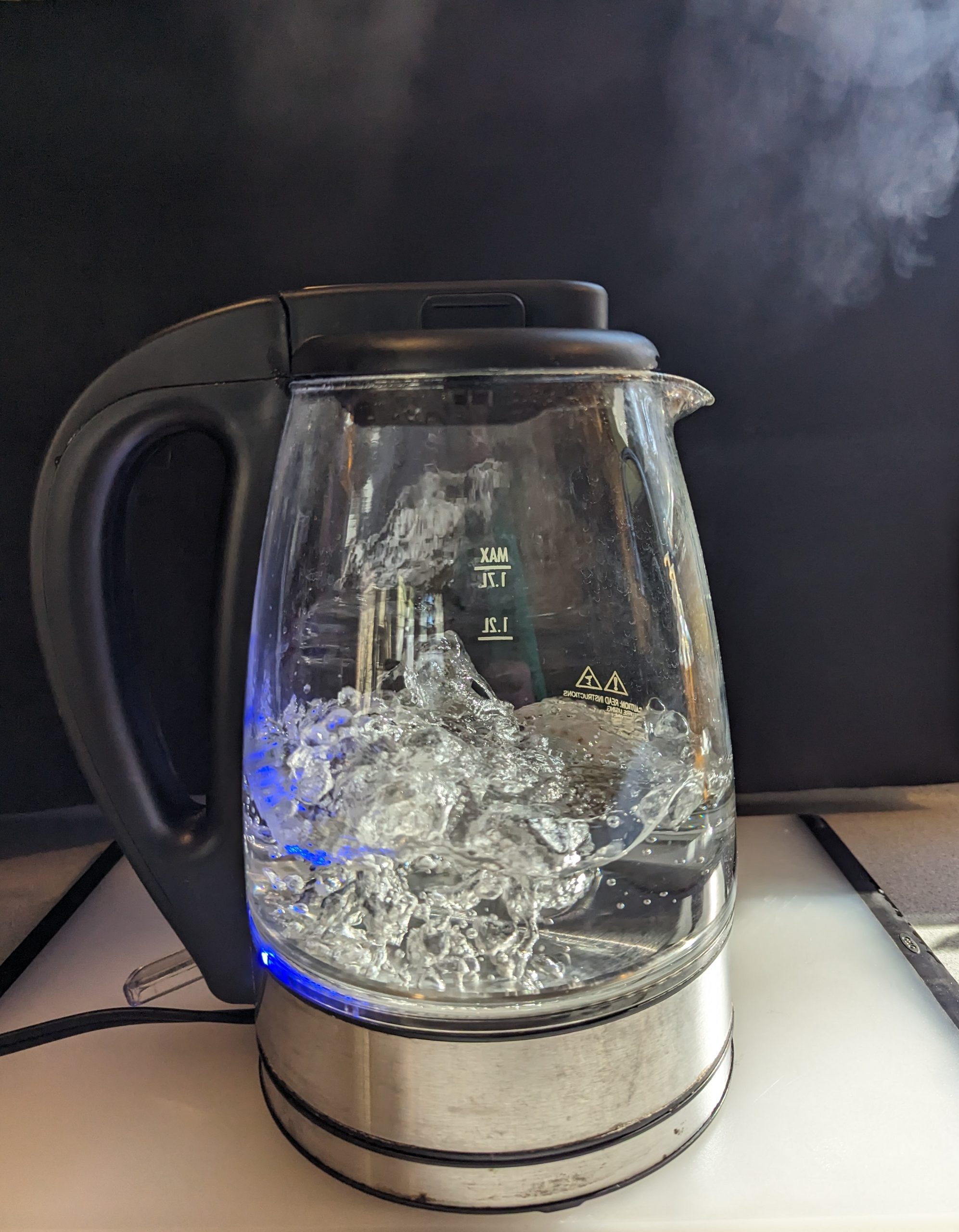
Electric kettles seem simple until you compare how they heat, pour, clean and fit the counter. A narrow gooseneck spout can help with controlled pour-over coffee, but may feel slow when filling a French press or making several mugs of tea. A broad-spout kettle can be faster for everyday hot water, yet its temperature controls, lid opening and minimum-fill line matter just as much as the advertised capacity. This guide explains how to choose an electric kettle for tea, pour-over coffee and busy kitchens without assuming every household needs a premium model. We look at temperature control, material choices, water-level markings, safety shutoff, descaling and the practical compromises between compact and full-size designs. The most useful comparison starts with the actual brewing routine, available counter space and cleaning needs.
How We Selected the Key Buying Criteria
We organized the selection advice around the questions that change day-to-day use: how accurately the user can choose temperature, how the spout pours, whether the capacity fits the household, how easily mineral deposits can be removed, and whether the electrical safeguards are documented. The guidance is based on product design and safety considerations, not on a claim of hands-on laboratory testing or a ranking of specific models. We do not recommend a product merely because it appears in a search result; each recommendation must be checked against the exact current version.
Quick Picks: Cuisinart PerfecTemp CPK-17P1 · COSORI Original Gooseneck CO108-NK · OXO Brew Adjustable Temperature Glass Kettle 8716900 · Fellow Stagg EKG Pro Electric Kettle (Matte Black + Walnut) · Fellow Corvo EKG Pro Kettle
Electric Kettle Model Comparison
Compare the spout and temperature style before deciding which exact model fits your routine. Specs below are based on manufacturer descriptions; prices and seller inventory can change.
| Model | Best for | Key specifications | Amazon |
|---|---|---|---|
 1. Cuisinart PerfecTemp CPK-17P1 |
families who alternate between tea types and need a generous 1.7-liter jug | 1.7 L · six presets · 30-minute keep-warm | Check on Amazon |
 2. Breville IQ Kettle BKE820XL |
tea drinkers who prefer a soft-opening lid and five drink-focused controls | About 1.7 L · five presets · 20-minute keep-warm | Check on Amazon |
 3. COSORI Original Gooseneck CO108-NK |
first-time pour-over brewers who want convenient temperature presets | 0.8 L · gooseneck · five temperature presets | Check on Amazon |
 4. Fellow Stagg EKG Pro Electric Kettle (Matte Black + Walnut) |
serious pour-over brewers who want deliberate flow and advanced scheduling | 0.9 L · gooseneck · brew timer, scheduling and adjustable temperature | Check on Amazon |
 5. Bonavita 1.0L Variable Temperature BV382510V |
manual-brewing hobbyists who prefer a traditional one-liter gooseneck | 1.0 L · gooseneck · variable temperature | Check on Amazon |
 6. OXO Brew Adjustable Temperature Glass Kettle 8716900 |
tea lovers who want to see water level and scale buildup | 1.75 L · glass jug · adjustable temperature | Check on Amazon |
 7. Ninja Precision Temperature Kettle KT200 |
shared households that want seven ready-made drink settings | 7-cup capacity · seven presets · hold temperature | Check on Amazon |
 8. Cuisinart Digital Gooseneck GK-1 |
coffee makers who want a one-liter gooseneck with digital settings | 1.0 L · digital gooseneck · temperature controls | Check on Amazon |
 9. Fellow Corvo EKG Pro Kettle |
tea enthusiasts who want advanced temperature control without a gooseneck spout | 0.9 L · conventional spout · Pro controls | Check on Amazon |
 10. OXO Brew Adjustable Pour-Over Kettle 8717100 |
pour-over brewers who want a dial and a built-in brewing timer | About 1.0 L · gooseneck · dial and timer | Check on Amazon |
Electric Kettles Compared: Detailed Reviews
These recommendations reflect published design specifications and practical buying tradeoffs, not first-hand performance testing. Review the manufacturer’s current instructions for the exact version before use.
1. Cuisinart PerfecTemp CPK-17P1
Best for: families who alternate between tea types and need a generous 1.7-liter jug.
The Cuisinart PerfecTemp CPK-17P1 is a sensible starting point when one kettle serves different kinds of tea and everyday kitchen jobs. Its 1.7-liter capacity makes more sense for a household filling several mugs than a small specialty coffee kettle. Cuisinart documents six temperature presets and a keep-warm function lasting up to 30 minutes, so you can select a tea-oriented setting without repeatedly adjusting a dial. The wide conventional spout favors straightforward pouring into cups, a teapot or a French press rather than controlled spirals over a coffee dripper. Before choosing it, measure the space needed to open its lid and check the weight when filled: capacity adds convenience but also makes a full kettle heavier to lift. The preset interface is approachable, although it offers less fine tuning than a true one-degree controller. This model fits a shared tea station better than a dedicated pour-over workstation.
2. Breville IQ Kettle BKE820XL
Best for: tea drinkers who prefer a soft-opening lid and five drink-focused controls.
The Breville IQ Kettle BKE820XL focuses on easy, repeatable heating rather than minimalist looks or a narrow coffee spout. Breville lists five beverage-oriented settings covering several tea styles and French press coffee, plus a 20-minute keep-warm option. That combination works well for someone who changes drinks through the day but does not want to remember each temperature. The soft-opening lid is a practical distinction for refilling, though steam can still escape and the vessel needs clear space below cabinets. Its large-capacity design suits a couple or family better than a traveler seeking the smallest possible footprint. The main buying tradeoff is control style: presets make quick decisions easier, while someone following a specialized tea recipe may prefer the granularity of a fully adjustable model. Review the current manual for water-level markings, cleaning instructions and the exact finish offered before purchasing. It is a general-purpose premium kettle, not a precision pour-over specialist.
3. COSORI Original Gooseneck CO108-NK
Best for: first-time pour-over brewers who want convenient temperature presets.
COSORI’s CO108-NK trades household capacity for a narrow gooseneck spout and a compact, coffee-friendly heating base. Its 0.8-liter vessel is more practical for making one or two pour-over servings than for filling a large teapot at once. Five dedicated temperature buttons simplify choosing a target for common tea styles and coffee without requiring a menu or mobile app. The gooseneck helps beginners guide a steady stream onto a dripper, although pouring technique still matters and the restricted flow can feel slow when making instant soup or multiple large drinks. The manufacturer identifies stainless-steel surfaces along the water path, but shoppers should inspect the specific listed finish and follow its cleaning instructions rather than assuming every variant is identical. If you want lots of boiling water quickly, choose a conventional jug. If you are building a small pour-over station and value simple controls, this is the more relevant shape.
4. Fellow Stagg EKG Pro Electric Kettle (Matte Black + Walnut)
Best for: serious pour-over brewers who want deliberate flow, brewing timers and advanced temperature scheduling.
The Fellow Stagg EKG Pro is built for someone who uses a pour-over dripper often enough to benefit from repeatable temperature and precise pouring. Its narrow gooseneck spout is designed to produce a controlled stream over coffee grounds, while the 0.9-liter vessel accommodates a typical solo brewing session without dominating the counter. Unlike the earlier original EKG, the Pro adds a color display, a built-in brew timer and scheduling features, so confirm the exact edition before comparing prices. The selected matte-black-and-walnut version has a distinct finish that should match both the product picture and the seller’s listing. Those extras may feel unnecessary if you only boil water for instant oatmeal or tea bags: the small volume and measured pour are limitations for that use. Fellow documents a hold function and adjustable temperature settings, but those do not eliminate the need for safe handling and routine scale removal. Choose this model for deliberate coffee technique, not simply the most features per dollar.
5. Bonavita 1.0L Variable Temperature BV382510V
Best for: manual-brewing hobbyists who prefer a traditional one-liter gooseneck.
Bonavita’s BV382510V offers a traditional gooseneck format for people practicing consistent pour-over coffee or preparing tea at chosen temperatures. The one-liter capacity strikes a middle ground: larger than many compact specialty kettles, yet still smaller than a general-purpose household jug. Bonavita’s model documentation describes adjustable temperature control and a heat-hold feature, which can help when grinding coffee or setting out a dripper before pouring. Its straightforward spout and handle favor technique rather than decorative digital extras. Pay attention to the exact generation of the unit and its base; manufacturer replacement parts distinguish compatible models, and the kettle vessel should not be treated as interchangeable with a different base. Its interior and spout still need regular descaling in hard-water areas. The biggest drawback is that one-liter coffee-oriented capacity may not be the best value for a busy shared kitchen. For focused home brewing, however, the design addresses the right problem.
6. OXO Brew Adjustable Temperature Glass Kettle 8716900
Best for: tea lovers who want to see water level and scale buildup.
OXO’s adjustable-temperature glass kettle 8716900 fits people who like the visibility of clear glass without giving up temperature selection. The 1.75-liter capacity is among the roomiest choices in this comparison and makes sense for tea, oatmeal and general hot water throughout the day. OXO describes dial-based temperature selection and a 30-minute hold function, rather than a fixed row of tea presets. The transparent body makes the water level and mineral scale easier to inspect, which is useful when setting a cleaning schedule in a hard-water home. Glass still needs thoughtful handling: it is not a material to bump against the sink or assume will stay cool to the touch. The wide pouring shape favors cups and teapots over delicate coffee-dripper control. Check the current manual for the temperature range of the exact revision because some older documentation lists a different minimum setting. Choose it for adjustable household convenience and visibility, not compactness.
7. Ninja Precision Temperature Kettle KT200
Best for: shared households that want seven ready-made drink settings.
The Ninja KT200 is aimed at the kitchen where several people prepare different hot drinks and prefer quick preset selection. Ninja describes seven one-touch options, a manual temperature setting and a hold-temperature feature for up to 30 minutes. Those controls help people move between tea varieties and coffee without researching a target each morning. A seven-cup capacity is better suited to several servings than to a dedicated one-cup coffee ritual, and its conventional spout makes filling mugs and a teapot straightforward. The illuminated temperature display may be especially helpful when someone wants to check a setting at a glance, but a live readout does not make every pour the exact target temperature after cooling. Confirm the exact KT200 finish and compatible replacement power base before buying, particularly if a listing shows a differently suffixed model. This is a versatile choice for an active household rather than a minimalist travel kettle.
8. Cuisinart Digital Gooseneck GK-1
Best for: coffee makers who want a one-liter gooseneck with digital settings.
The Cuisinart GK-1 occupies a useful space between a basic preset kettle and a specialist coffee accessory. Its one-liter capacity is enough for multiple modest coffee pours or a small teapot without turning the appliance into a large family jug. Cuisinart positions the digital gooseneck for pour-over coffee and tea, so its slim spout is a functional feature rather than a styling detail. Readers considering this model should compare its control panel with the way they actually brew: adjustable temperatures are useful only if they will select different targets, and a narrow stream takes more patience when filling large vessels. The lid and spout area need attentive cleaning, particularly when mineral deposits build up. The exact product model is GK-1; do not confuse it with Cuisinart’s wider-spout CPK line, since the buyer problem and form factor differ. It makes the most sense when careful pouring is an everyday task but full-size capacity is not.
9. Fellow Corvo EKG Pro Kettle
Best for: tea enthusiasts who want advanced temperature control without a gooseneck spout.
The Fellow Corvo EKG Pro is a reminder that serious temperature control does not have to mean pour-over coffee. Unlike the Stagg’s long neck, the Corvo uses a more conventional spout, making it a natural option for filling a mug or tea infuser without a deliberately restricted stream. Fellow specifies a 0.9-liter vessel and Pro-series temperature controls that suit people who prepare different loose-leaf teas. The compact capacity also makes it less suited to a crowd, and the extra interface features are only worthwhile if the buyer expects to use them regularly. Look carefully at the name: Corvo EKG, Corvo EKG Pro and Pro Studio are different editions, and their available functions and finishes should not be assumed identical. Check which one the seller’s exact variant represents. Its main advantage is the combination of nuanced beverage heating with ordinary pouring; its drawback is spending for advanced controls on a relatively small kettle.
10. OXO Brew Adjustable Pour-Over Kettle 8717100
Best for: pour-over brewers who want a dial and a built-in brewing timer.
OXO’s adjustable-temperature pour-over kettle, product 8717100, suits someone who wants a narrow brewing spout but prefers setting temperature with a single dial rather than several preset buttons. The gooseneck shape supports measured pours over a coffee bed, while OXO’s user documentation describes a count-up timer that can help track the length of a brewing session without a second device. That is a practical benefit for pour-over recipes where pouring intervals are as important as the selected water temperature. This version should not be confused with OXO’s larger glass kettle 8716900: their capacities, spouts and intended uses are different. The narrow opening and smaller volume make it a poorer choice for busy kitchens filling many mugs in succession. Coffee brewers may also want to verify how the temperature is maintained and displayed on their chosen revision. This is a focused brewing tool, best compared with other goosenecks rather than full-size glass jugs.
Which Electric Kettle Design Fits Your Routine?
Choose the spout and controls before choosing a brand. The most useful electric kettle for tea and pour-over coffee depends on whether you need repeatable temperature settings, a controlled stream, a generous fill opening or fast access to boiling water. Use this decision aid to narrow the features you need; it compares designs rather than claiming specifications for unverified individual products.
| Typical use | Features worth checking | Tradeoff to understand |
|---|---|---|
| Green or white tea | Variable temperature electric kettle for green tea, with selectable settings and a clear display | A preset label is not a guarantee of exact temperature; check manufacturer tolerances and measuring location |
| Pour-over coffee | Gooseneck electric kettle for pour-over coffee with controllable flow and a stable handle | A narrow spout can make filling a large mug or pot slower |
| Tea for several people | Capacity, broad pour spout, comfortable lid opening and legible water-level markings | Larger vessels take more counter space and can be heavier when full |
| Small kitchen or dorm | Electric kettle for a small kitchen with compact footprint, minimum fill line and cord storage | Compact size may require multiple boils for a group; follow any housing restrictions |
| Frequent hard-water use | Easy-to-clean stainless steel electric kettle with a wide lid opening and accessible filter | Interior visibility varies; cleaning access may matter more than finish |
Buying Tip: Before ordering, measure the available counter height beneath your cabinets with the lid fully open. Also compare the kettle’s minimum-fill requirement with the amount you actually heat for one cup; a large advertised capacity is not always practical for small servings.
How to Choose an Electric Kettle: Temperature, Material and Safety
Variable temperature versus preset buttons
A variable temperature electric kettle for green tea may let you choose a specific target or one of several presets. Those controls can be helpful when following a tea maker’s steeping directions, but water temperature can vary with sensor placement, water quantity and how long the kettle rests before pouring. Check whether the display reports a setpoint or a measured temperature. Keep-warm functions also differ: some hold a target for a fixed period, while others restart heating intermittently. Never assume a model includes a temperature-hold function because it has a digital display.
Gooseneck control versus conventional spouts
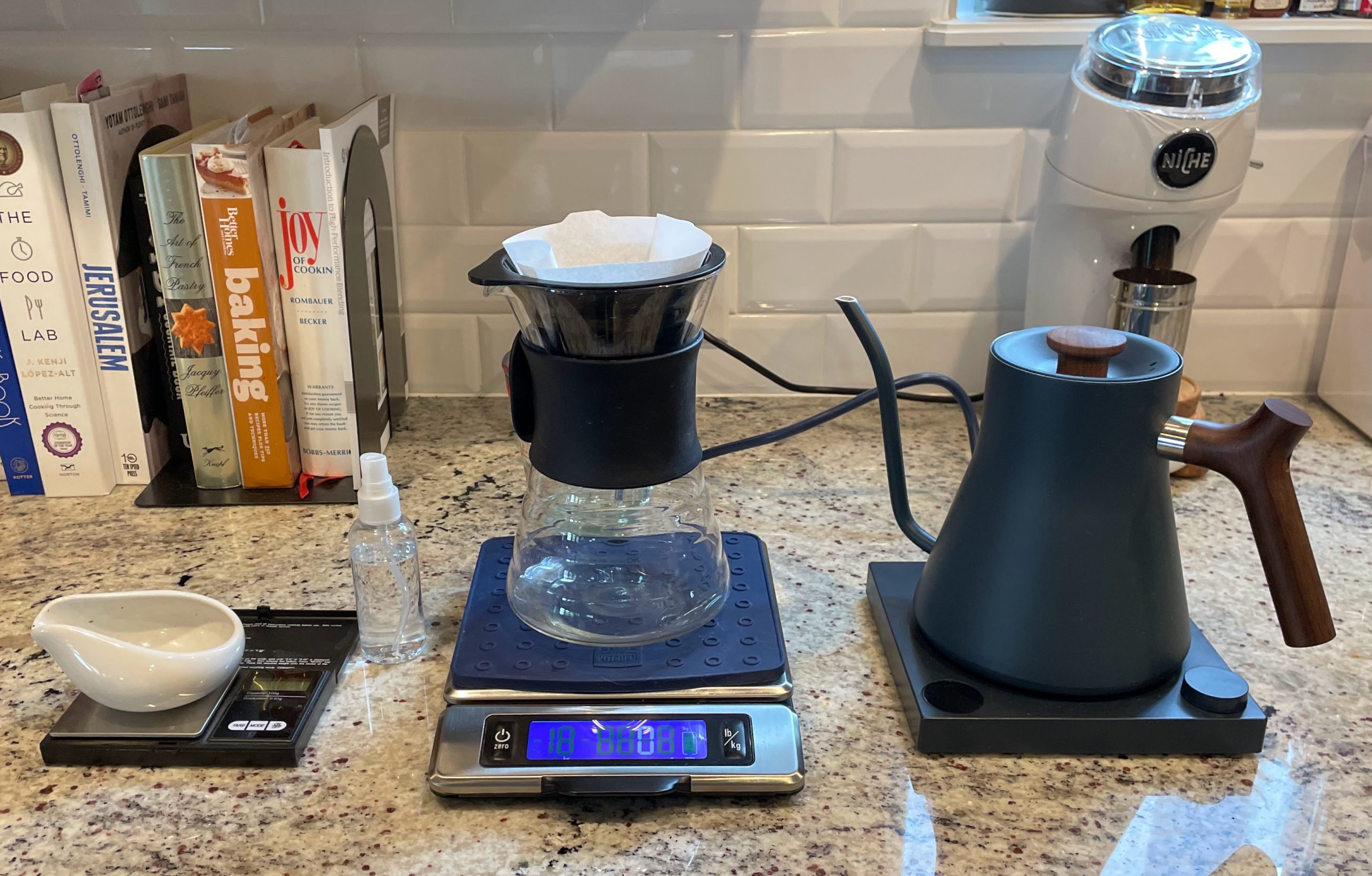
A gooseneck electric kettle for pour-over coffee allows a narrow stream that can be moved over a coffee bed in controlled circles. This makes pouring technique easier to practice, although grind size, coffee dose and filter shape still influence extraction. If most of your use is filling a French press, tea pot or oatmeal bowl, a wider spout may be simpler and faster. Some gooseneck designs restrict flow by design, so a slow pour does not automatically indicate a fault.
Glass versus stainless steel electric kettles
The choice between a glass vs stainless steel electric kettle is more about visibility, cleaning and construction than an automatic difference in beverage quality. Glass makes mineral scale easy to spot and lets you see the fill level, but you must handle it carefully. Stainless steel can be robust and visually discreet, yet double-wall and single-wall designs have different exterior temperature characteristics. Check the actual food-contact surfaces, lid materials, and whether the exterior becomes hot. Neither material alone establishes safety or durability.
Automatic shutoff and boil-dry protection
An electric kettle with automatic shutoff and boil-dry protection should have manufacturer-documented protective behavior, but these features are safeguards rather than permission to leave the appliance unattended. The kettle still needs a stable, dry surface and a compatible outlet. Follow the manual’s minimum and maximum water levels, keep the electrical base dry and avoid using extension cords unless the manufacturer explicitly allows them. If the kettle has a damaged cord, cracked body or unreliable switch, stop using it rather than attempting an improvised repair.
Cleaning and scale buildup
An easy-to-clean stainless steel electric kettle generally benefits from a wide opening, accessible interior and removable filter, but cleaning methods vary by product. Mineral deposits can accumulate on heating surfaces and around the spout. Follow the maker’s recommended descaling solution and dilution, rinse as directed, and do not use abrasive tools on coated components. Glass kettles may reveal deposits sooner, while stainless interiors can require a flashlight to inspect. Never immerse the powered base or allow liquid to enter its electrical contacts.
Electric Kettle Selection Checklist
- For tea: Confirm whether the temperature display reports a selected target or a measured reading, whether it offers a hold function, and how long the hold lasts.
- For pour-over: Compare the grip, pouring angle and spout flow. A narrow spout helps control the stream but can be slower for other tasks.
- For a shared kitchen: Check minimum and maximum water marks, lid clearance under cabinets, steam direction and whether water-level marks are readable in ordinary lighting.
- For hard water: Prioritize a wide cleaning opening, a removable scale filter if supplied, and clear manufacturer descaling instructions.
- For long-term ownership: Read the warranty, confirm the electrical rating matches your outlet, and check whether replacement lids, filters or bases are available for the exact model.
Practical Setup and Everyday Use
- Read the exact model’s operating and cleaning instructions before the first use; remove packaging and any protective films as directed.
- Place the base on a stable, dry, heat-resistant surface with clearance for steam and the open lid. Avoid directing steam toward cabinet finishes or electrical outlets.
- Fill within the maker’s minimum and maximum markings, using fresh potable water. Do not run a dry kettle.
- Seat the vessel securely on the base, close the lid correctly and select the appropriate temperature or boil mode.
- Pour slowly with a secure grip. Keep children away from hot water, the spout, steam and hot exterior surfaces.
- Unplug and allow the kettle to cool before cleaning. Descale on the schedule suggested by water hardness and the maker’s instructions.
Common Electric Kettle Mistakes and Troubleshooting
The kettle stops heating before the water is hot enough
First check whether the chosen program is a lower-temperature preset rather than a full boil. Confirm the vessel is seated correctly, the lid is closed as required and the water level is within range. A kettle that shuts off erratically, leaks or shows electrical damage should be taken out of service and referred to the manufacturer.
Water splashes or pours unpredictably
Check whether the kettle is filled beyond its maximum line, the spout filter is clogged or the lid is not secured. Reduce the pour angle and use a steady grip. A controlled gooseneck spout can help with coffee, but it is not a substitute for safe handling of hot water.
White flakes appear in the cup
These may be mineral deposits from hard water. Inspect the kettle after cooling, follow its recommended descaling process and rinse thoroughly. Do not assume all white residue is harmless if it has an unusual odor or accompanies deterioration of the interior surface.
Water tastes unusual after cleaning
Rinse and repeat the manufacturer’s first-use or post-descaling procedure. Avoid improvised cleaning chemicals and do not mix descaling agents. If taste or odor persists, inspect the vessel and consult the manufacturer before using it again.
Frequently Asked Questions
Is a variable-temperature kettle worth buying for tea?
It can be useful for people who regularly prepare teas with different recommended water temperatures. If you mainly want boiling water for black tea or general kitchen tasks, a simpler kettle may be sufficient.
Can I use a gooseneck kettle for ordinary tea?
Yes, provided the manufacturer allows the intended use. The main compromise is that its narrow spout may pour more slowly than a conventional kettle.
Does stainless steel keep water hotter than glass?
Not necessarily. Wall construction, insulation, lid design and the ambient room temperature matter more than the outer material name alone. Compare specific model features rather than relying on the finish.
How often should I descale an electric kettle?
Frequency depends on water hardness and how often you boil water. Inspect for deposits and follow the maker’s cleaning schedule. If scale appears quickly, shorter cleaning intervals may be helpful.
Can I heat milk or soup in an electric water kettle?
Unless the specific manual explicitly permits other liquids, use the kettle only for water. Milk and soup can foam, scorch or damage components designed for water heating.
Related Size Them Up Guides
If you’re building a pour-over setup, see our electric burr coffee grinder guide for grind adjustment and brewing tradeoffs. For other small-kitchen appliances, compare portable induction cooktops and bread machines for small kitchens.
Final Verdict
For the broadest family tea routine, start with Cuisinart PerfecTemp CPK-17P1 or Ninja KT200. For slow pour-over, compare COSORI CO108-NK, Fellow Stagg EKG Pro and OXO’s pour-over kettle. If clear water-level visibility matters most, consider OXO’s large glass jug.
For a home that primarily brews green or white tea, prioritize a kettle with clearly explained temperature controls and a usable minimum fill level. If you prepare pour-over coffee daily, a gooseneck spout and comfortable pouring balance deserve more attention than a large capacity. For general kitchen hot water, a conventional spout, reliable automatic shutoff, easy cleaning access and a comfortable handle may offer better everyday value. Choose the design that solves your main task, then compare individual manufacturers’ documented features, warranty terms and replacement-part support before buying.
Featured photograph: Plorpy2 / Wikimedia Commons, CC BY-SA 4.0, unmodified.
As an Amazon Associate, Size Them Up earns from qualifying purchases.